


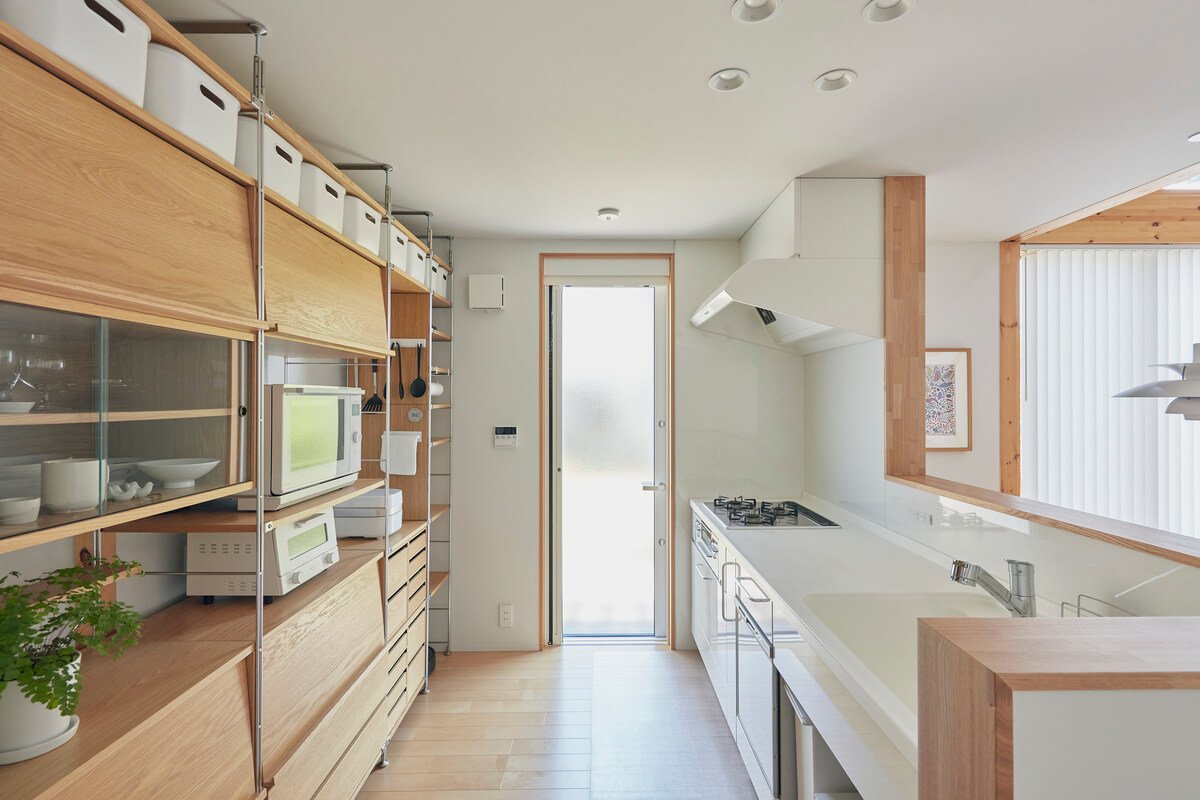

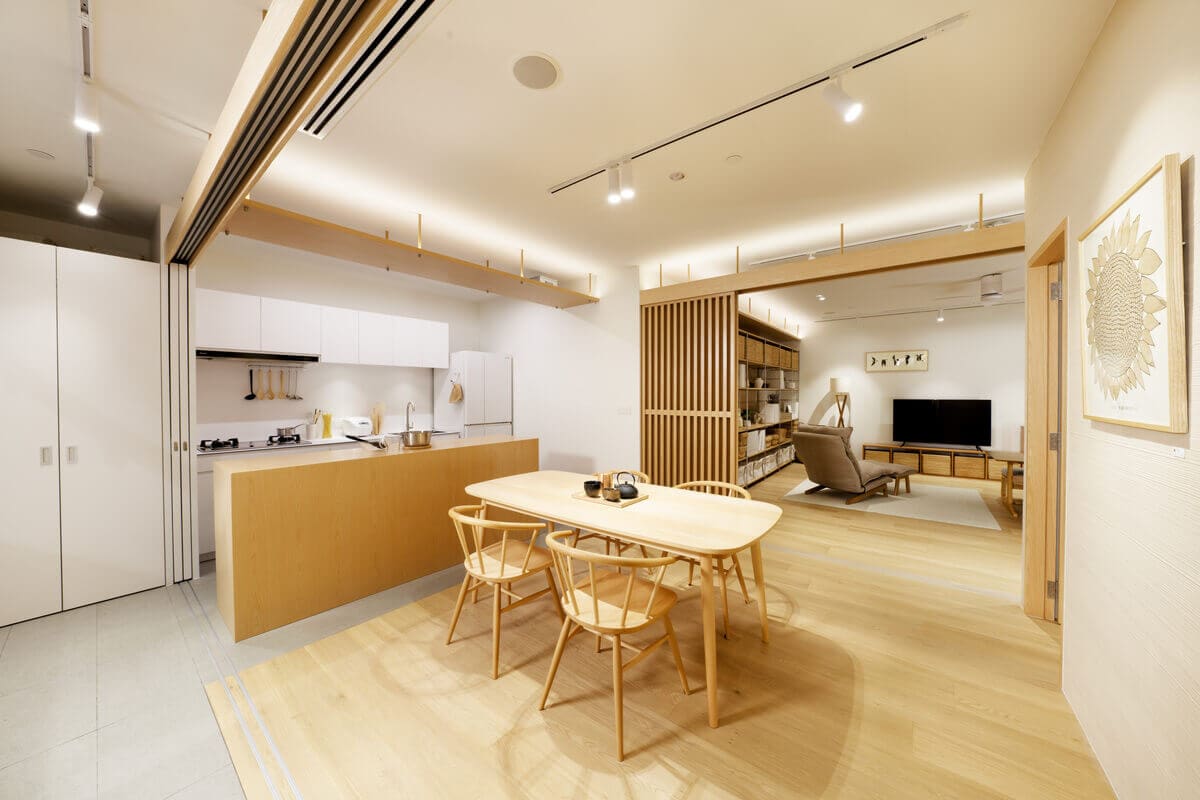
HDB BTO 3-room renovation refers to renovating a newly built three-room Build-To-Order (BTO) flat in Singapore. A BTO flat is a new HDB home obtained through the government’s launch exercises, and renovating means upgrading the interior and layout of this space to suit your lifestyle. Interior designers often offer renovation packages and design concepts to help turn a raw BTO unit into your ideal home.
How long does a BTO renovation take?
The renovation of an HDB BTO flat in Singapore typically takes 8 to 12 weeks from start to finish. This period excludes the design phase which takes 4 to 6 weeks before the commencement of renovation work.
Within the 8 to 12 weeks, key phases include planning and permit approvals, structural hacking (if any), electrical and plumbing works, carpentry and tiling, followed by painting, cleaning, and handover. Splitting the work into these phases helps homeowners set clear timelines and manage expectations effectively as they transform a bare BTO shell into a move-in home.
Planning & Permits (1–2 weeks)
At the start of your flat renovation, work with your interior designer to finalise the layout, materials, and budget. Submit your renovation permit application to HDB promptly—approval can take up to three weeks, especially if your plan involves hacking walls. Getting permits approved early and ordering long-lead items right away sets a solid foundation for the rest of the project.
Hacking & Demolition (3–7 days)
The contractor will demolish non-structural walls or old fixtures once permits are ready. This usually takes just a few days since BTO flats have little to tear down. Clearing the old finishes and making electrical/plumbing cut-outs prepares the flat for new installations without delaying subsequent home renovation tasks.
Electrical & Plumbing (1–2 weeks)
Next, workers install new wiring, lighting points, power sockets, and water pipes for kitchens and bathrooms. These works often happen concurrently; each stage typically takes about a week. Careful execution is essential here for safety and HDB compliance; any changes (like new sanitaryware or relocating outlets) must also follow HDB’s rules.
Carpentry & Tiling (2–4 weeks)
This is often the most extended phase. During 2–4 weeks, carpenters build cabinets, wardrobes, built-in furniture and kitchen counters while tilers lay down the floor and wall tiles. To maximise space, many homeowners incorporate custom designs at this stage (for example, unique storage solutions or room partitions). Quality workmanship is key, as mistakes in measurements or finishes can push back the schedule.
Painting & Cleaning (1–2 weeks)
After the heavy work, painters apply coats of paint to walls and ceilings (about one week total). Once the paint dries, the unit receives a thorough cleaning. Finally, the contractor performs a snag check and handover inspection. This last step (about a few days) ensures the flat is spotless and ready.
Each flat renovation phase may have small overlaps to save time (for example, appliances can be installed while painters finish another room). Allocating around 8–12 weeks for the renovation ensures a practical buffer. Regular site visits and updates can keep the project on track.
Challenges in Renovating HDB BTO in Singapore, and How to Overcome Them?
Even with a clear timeline, many BTO renovations run into typical challenges. Common issues include permit delays, scheduling conflicts between trades, cost overruns, material shortages, design constraints under HDB rules, and varying workmanship quality. Below are these challenges and strategies to overcome them:
1. Permit Delays
Home renovation approvals can take up to 3 weeks for complex jobs, which may push back your start date.
To address this challenge, finalise your design early and submit permit applications right after key collection. Work with a knowledgeable renovation firm that handles permits; they will ensure all plans comply with HDB guidelines and can follow up to speed up approval.
2. Scheduling Conflicts
Coordinating multiple trades (hacks men, electricians, carpenters) is tricky and may cause idle periods.
Solving this concern means demanding a clear work schedule from your contractor and getting regular flat renovation updates. A good interior designer will provide a timeline (for example, weekly) and let you know of any adjustments. Sticking to this schedule and communicating quickly about changes keeps the project flowing smoothly.
3. Cost Overruns
Running over budget is common in renovations if plans change midstream. Set a realistic budget and design fully before work starts to avoid cost overruns. Request a fixed quote from your contractor and include a contingency (typically 5–10%). Avoid late changes to layouts or materials, as these can inflate costs. Clear renovation packages with a fixed scope can help lock down prices upfront.
4. Material Delays
Even if labour is on schedule, missing tiles or appliances can hold up progress. Prevent materials delays by ordering all key items (tiles, fixtures, cabinets, appliances) once your design is approved. Some homeowners skip their first-choice materials if lead times are long. For example, tiles might need weeks to restock. Buying early and having backup options ensures the renovation isn’t stalled while waiting for deliveries.
5. Design Constraints
HDB has strict rules on alterations in custom designs (e.g. waterproofing guidelines, ceiling heights, AC ledges).
Work with an experienced designer who knows these rules inside out to eliminate design constraints. They will plan your layout within HDB regulations (so you won’t have to undo unauthorised work later) and apply for permits for any special cases. Planning designs with HDB’s guidelines in mind prevents last-minute rework.
6. Quality Issues
Shoddy workmanship (crooked tiles, uneven painting) can cause disappointment and delays if not caught early.
Dodge issues on quality by hiring reputable professionals with good references. Stay involved by visiting the site frequently and requesting progress photos. It is recommended when it comes to flat renovation to inspect the works every 2–3 days and report any defects immediately. Early communication means fixes can be made before moving on to the next stage, saving time and ensuring a high-quality finish.
To Sum It Up
A typical HDB BTO 3-room renovation in Singapore takes about 8–12 weeks. Homeowners can avoid many common issues by planning ahead, securing permits early, and allowing for buffer time. Strong communication and hiring experienced professionals ensure the renovation runs smoothly and results in a comfortable home.
Your Renovation Journey Starts Here
Contact MUJI Renovation to turn your renovation dreams into reality. Our team offers tailored renovation services and concept designs to bring your vision to life. Call us at (+65) 6338 3113 or email muji_renovation@muji.com.sg to start planning your dream home today.